
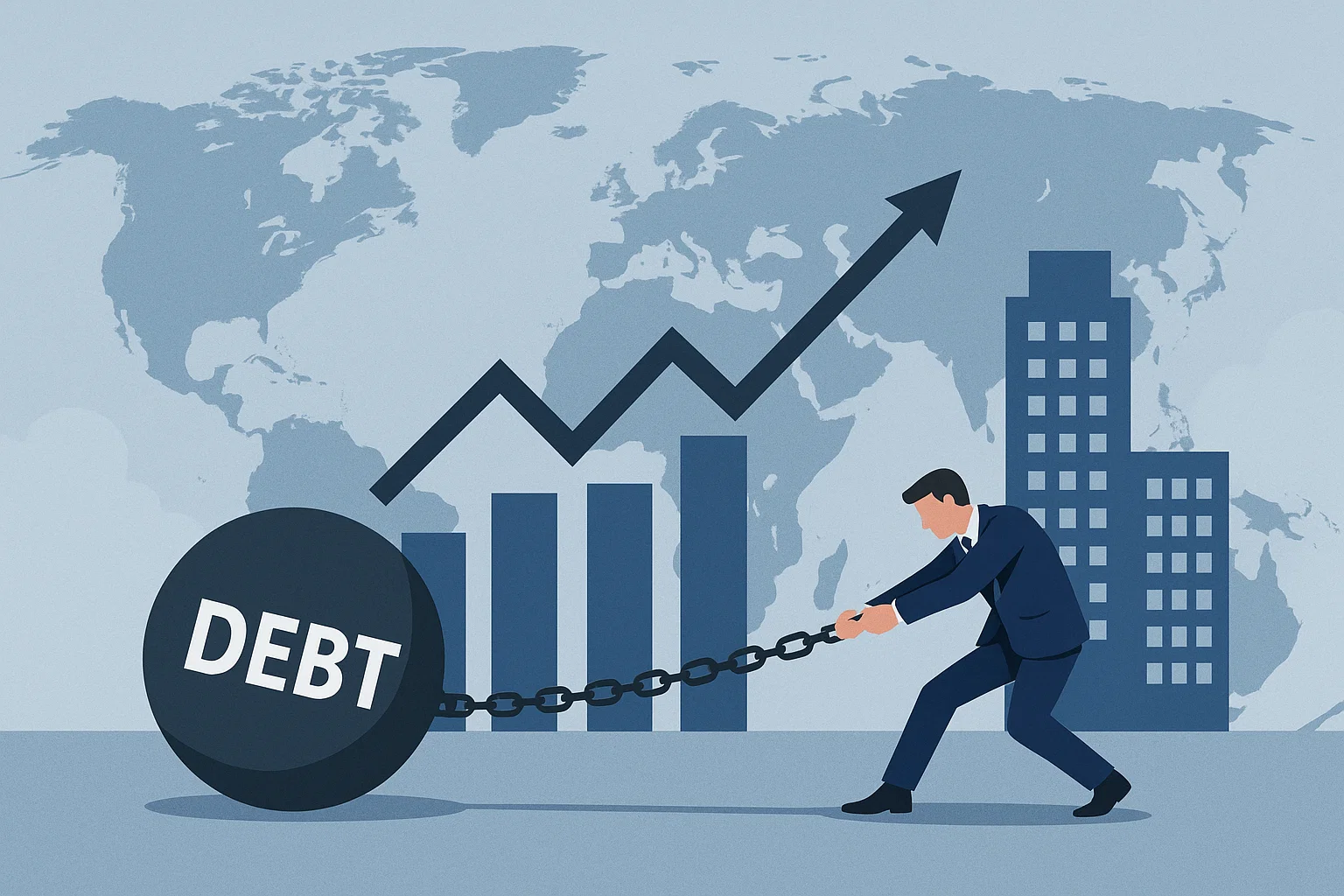
In recent years, the scale of corporate borrowing has reached record highs, sparking concern among economists and policymakers alike. What once fueled growth and innovation is now becoming a source of vulnerability for global markets. Understanding corporate debt as a growing challenge for global economies is crucial for recognizing the balance between financial expansion and systemic risk.
The Expansion of Borrowing and Its Drivers
Corporations around the world have relied heavily on debt to fund operations, invest in technology, and expand into new markets. Low interest rates over the past decade made borrowing cheap, encouraging businesses of all sizes to take on more leverage. While this strategy initially boosted productivity and profits, it also built a foundation of dependence on continuous credit availability.
As global interest rates began to rise, the cost of servicing that debt grew sharply. Companies accustomed to near-zero borrowing costs suddenly faced tighter budgets and shrinking profit margins. This shift exposes how sensitive modern economies are to fluctuations in credit conditions and highlights corporate debt as a growing challenge for global economies that can no longer be ignored.
Vulnerabilities Across Sectors
Not all industries are affected equally. Highly capital-intensive sectors such as energy, manufacturing, and real estate carry particularly high levels of debt. These businesses often rely on long-term loans to fund projects that take years to become profitable. When financing costs climb, projects are delayed, and cash flow becomes strained.
Smaller firms, which typically have less access to favorable credit terms, feel the pressure even more. Many are forced to cut investment, reduce staff, or raise prices — all of which contribute to slower economic growth. The result is a ripple effect that extends far beyond corporate balance sheets, influencing employment, trade, and even consumer confidence.
The Global Dimension of Corporate Leverage
Debt is not confined by borders. As globalization deepened, corporations began borrowing across markets and currencies, creating complex webs of financial exposure. Emerging economies, in particular, face heightened risks when much of their corporate debt is denominated in foreign currencies. A sudden depreciation can make repayment far more expensive, increasing the risk of default.
International investors, pension funds, and banks also play a role in amplifying this interconnectedness. When one major economy experiences a wave of corporate defaults, it can trigger financial stress worldwide. Such interdependence demonstrates how corporate debt as a growing challenge for global economies has evolved into a shared global responsibility, not just a national concern.
Searching for Stability and Reform
Governments and financial institutions are now reassessing how to manage debt without stifling growth. Some countries are tightening lending standards, while others are encouraging transparency in corporate reporting to identify hidden risks early. The goal is not to eliminate debt — an essential driver of investment — but to ensure it remains sustainable.
Innovation may also hold part of the solution. Advances in financial technology are improving risk assessment models, helping lenders and regulators better predict where vulnerabilities might emerge. These tools could offer a more balanced approach, supporting economic activity while preventing excessive leverage.
Conclusion
The global economy thrives on access to capital, but too much borrowing can become a double-edged sword. Understanding corporate debt as a growing challenge for global economies reminds us that debt is both a catalyst and a constraint — capable of driving prosperity or instability depending on how it’s managed. As nations adjust to new financial realities, sustainable growth will depend on striking a delicate balance between ambition and prudence, ensuring that tomorrow’s expansion is built on strength, not overextension.